Vista Family Tech

Elderly care technology in Singapore

Elderly Care Technology That Respects Independence

You want to know your parent is alright at home without turning their living room into a surveillance room. Our sensor-based approach helps families notice meaningful changes while supporting ageing in place in Singapore.

Monitoring uses sensors, not cameras. We plan the setup with the senior and family, around the routines that already work.

No cameras in private rooms
Alerts set to the household
Planned for HDB homes
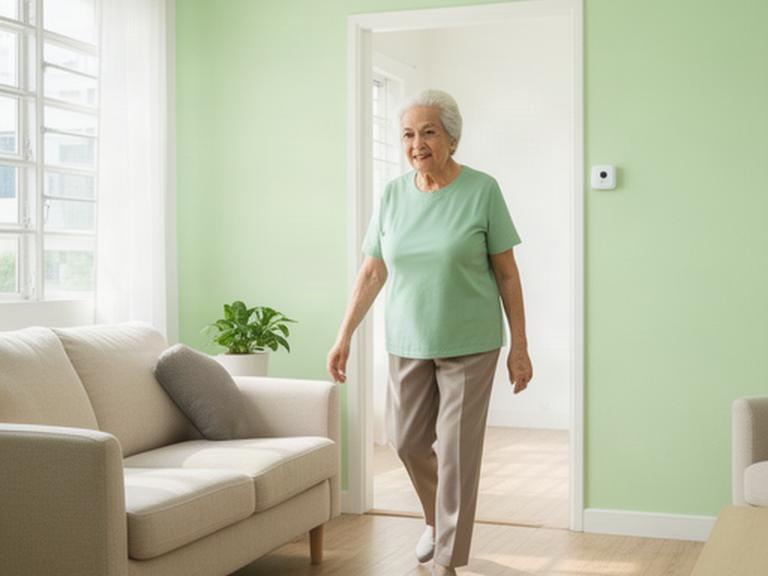
An older woman moving through a bright Singapore HDB living room with a small discreet wall sensor near the doorway
Dignity comes first.Awareness without watching the room.

Clear boundaries

What We Monitor, and What We Deliberately Do Not

Senior home monitoring should answer practical care questions. Each sensor has a defined purpose, and the final setup is agreed with the person living at home.

Signals you can choose

  • Falls and unusual inactivity

    Sensor options can flag a possible fall event or a change from the agreed daily pattern for a family member to check.

  • Door and presence events

    Know when selected doors open or when movement is detected in agreed areas such as a corridor or living room.

  • Panic alerts and check-ins

    A wearable or fixed alert button can give the senior a direct way to signal for help. Wellbeing check-ins can be part of the household routine.

  • Activity, sleep and medication reminders

    Selected sensors can summarise activity or sleep patterns. Reminders are set around the person's existing schedule.

Things we do not collect

  • Camera imagery of the home

    The monitoring options described here do not rely on cameras to view the interior of the flat.

  • Private conversations

    These sensor options are not designed to listen to conversations.

  • Unrelated household activity

    We focus on agreed safety signals rather than building a record of every movement at home.

The senior has a say in what is installed, where it goes and who receives alerts.

Illustrative view

Family care summary

Example layout
Daily activityUsual pattern
Alert historyNo new alert
Reminder statusAcknowledged
Sleep summaryView recent pattern

A sample presentation only. The information shown depends on the sensors and reminders selected for the home.

For the people who care

One Dashboard, Clear Signals, Fewer Guesswork Calls

A caregiver dashboard brings daily summaries, alert history and reminder status into one plain-language view. Notifications can be tuned so a change gets attention without prompting a message every few minutes.

  • Alerts with contextSee what triggered a notification and which agreed contact should follow up.
  • Family access by roleSet different viewing permissions for the main caregiver and other relatives, including family members overseas.
  • Patterns in plain languageReview activity and sleep summaries without treating them as a medical assessment.

Choose who sees what

Primary caregiver

Receives agreed alerts and can review the household summary.

Family member

Can have summary access without being assigned every alert.

Senior at home

Knows which signals are active and who can view them.

For families coordinating care across borders, see remote caregiver monitoring.

Plain-language guide

Sensors Explained in Plain Language

Placement affects what a sensor can notice. We account for the flat layout and everyday details before recommending a position.

Motion and presence

Detects movement in selected areas. In a typical HDB flat, placement may focus on a corridor, living space or route to the bathroom.

Placement note
Pets, ceiling fans and narrow corridors can affect readings. We check the room before choosing a position.

Door sensors

Records an agreed door opening or closing event, such as the main entrance or a door the family wants to keep track of.

Placement note
We check the door frame and normal opening pattern so the sensor does not obstruct daily use.

Bed and sleep sensing

Selected options can help summarise sleep-related patterns without filming the bedroom.

Placement note
Setup depends on the bed type and the information the senior and family actually want to review.

Wearable panic alert

A button worn or kept nearby gives the senior a way to send an alert when they want help.

Placement note
We discuss comfort, charging and where the button will be easy to reach.

A plan agreed in advance

Alerts, Escalation and the Boundary of Technology

An elderly panic alert should lead to a clear next step. Contacts and acknowledgement settings are discussed with the household, then reviewed as needs change.

  1. 01Signal detected

    A selected sensor or panic button sends an event to the agreed system.

  2. 02First contact notified

    The chosen caregiver receives the alert through the configured notification method.

  3. 03Follow-up contact

    If the first contact does not acknowledge, the household can set another person to be notified.

  4. 04Family takes action

    Contacts decide what to do next, including calling emergency services when needed.

Technology supports family awareness. It does not replace emergency services, professional care or a personal check-in. The household can pause monitoring or adjust alert sensitivity at any time.

Thoughtful setup at home

Installing With Care in HDB Homes

A one-room flat needs a different sensor plan from a three-room home. We consider movement routes, shared walls, older wiring and access to power before placing devices.

  1. Walk through the routine. We ask where the senior rests, moves around and wants added reassurance.
  2. Agree sensor locations. Keep walkways clear and consider shared walls, wiring and power access.
  3. Explain each device. The onboarding session gives the senior time to see what each sensor does and how to adjust it.
  4. Consider evening movement. Night-time lighting and selected door alerts can be discussed as part of HDB senior safety planning.
Example zones only. Final positions depend on the flat, the senior's preferences and the agreed monitoring plan.

Start with a conversation

Talk Through Your Parent's Situation With Us

Tell us about their routine, mobility and the moments that worry your family. We'll explain what senior home monitoring can and cannot do, then discuss options that suit the household.

Pasir Panjang Drive 1, Singapore 118797

Arrange an elderly care consultation